

Introduction
A technical analysis signal tool is one of the most useful resources for traders who want to make smarter and more structured decisions in financial markets. Whether someone is trading forex, stocks, crypto, or commodities, this type of tool helps identify possible entry and exit points based on price charts and indicators. Instead of relying on guesswork, traders use signals generated by mathematical formulas, historical price patterns, and market trends.
For beginners, trading can feel overwhelming because prices move quickly and markets react to global news, emotions, and economic changes. This is where a technical analysis signal tool becomes valuable. It simplifies complex data into clear signals such as buy, sell, or hold. As a result, traders can save time and reduce emotional decision-making.
Rana Sahab, many traders use these tools as a supportive system rather than a complete replacement for analysis. The goal is not to eliminate human judgment but to enhance it with data-driven insights. In this article, we will explore what this tool is, how it works, its importance, benefits, risks, and expert strategies to use it effectively in real trading situations.
What is Technical Analysis Signal Tool?
A technical analysis signal tool is a software or system that analyzes market charts and generates trading signals based on technical indicators. These indicators may include moving averages, RSI (Relative Strength Index), MACD, Bollinger Bands, and volume analysis.
The main purpose of this tool is to help traders identify potential market movements. For example, when a stock is likely to go up, the tool may generate a “buy signal.” When it may decline, it may show a “sell signal.”
In simple terms, it acts like a decision assistant that studies price history and highlights possible opportunities. However, it does not guarantee results, as markets are influenced by many unpredictable factors.
A technical analysis signal tool is widely used in day trading, swing trading, and even long-term investing. Some advanced versions also use artificial intelligence and machine learning to improve accuracy. Still, understanding how signals are generated is important for using them correctly.
Why is Technical Analysis Signal Tool Important?
The importance of a technical analysis signal tool lies in its ability to simplify complex market data. Financial markets generate massive amounts of information every second, which can be difficult for a human to analyze manually.
Here are a few key reasons why it is important:
- It saves time by automatically analyzing charts
- It reduces emotional trading decisions
- It helps beginners understand market trends
- It supports better risk management
- It improves consistency in trading strategies
Another major benefit is discipline. Many traders fail not because of lack of knowledge but due to emotional decisions. Fear and greed often lead to losses. A technical analysis signal tool helps reduce these emotions by providing structured signals based on data.
For intermediate traders, it acts as a confirmation system. They can combine their own analysis with tool-generated signals to improve accuracy.
Detailed Step-by-Step Guide
Step 1: Understanding Market Data
Before using any technical analysis signal tool, it is important to understand basic market data like price charts, candlesticks, and volume. These elements form the foundation of all signals.
Step 2: Selecting the Right Indicators
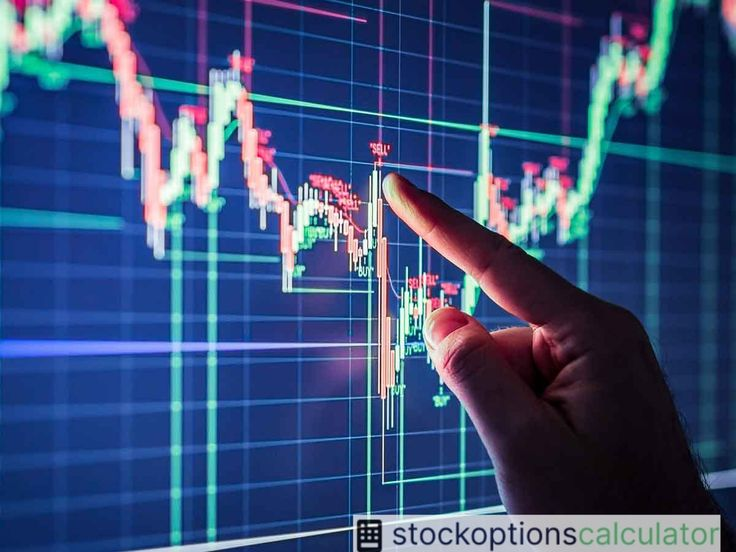
Most tools allow users to choose indicators. Common choices include:
- Moving Averages
- RSI
- MACD
- Stochastic Oscillator
- Support and Resistance levels
Each indicator provides different insights about market behavior.
Step 3: Generating Signals
Once indicators are set, the tool analyzes price movements and generates signals. For example:
- Buy signal when momentum is strong
- Sell signal when overbought conditions appear
- Hold signal during unclear trends
Step 4: Confirming Signals
A good practice is to never rely on a single signal. Traders should confirm signals using multiple indicators or chart patterns. This improves accuracy and reduces false signals.
Step 5: Risk Management
Even with a technical analysis signal tool, risk management is necessary. Traders should always set stop-loss and take-profit levels to protect their capital.
Step 6: Executing Trades
After confirmation, traders execute trades based on signals. Discipline is key here, as hesitation can lead to missed opportunities.
Benefits of Technical Analysis Signal Tool
- Provides quick market insights
- Helps identify entry and exit points
- Reduces emotional trading decisions
- Suitable for beginners and professionals
- Works across multiple markets like forex, crypto, and stocks
- Improves trading consistency
- Supports technical decision-making
Disadvantages / Risks
- Signals are not always accurate
- Market conditions can change suddenly
- Over-reliance can reduce learning ability
- Some tools may lag behind real-time data
- Requires understanding of indicators for best use
- False signals can lead to losses
Common Mistakes to Avoid
Many traders misuse a technical analysis signal tool due to lack of understanding. Some common mistakes include:
- Relying only on signals without personal analysis
- Ignoring market news and fundamentals
- Overtrading based on frequent signals
- Not using stop-loss strategies
- Using too many indicators at once, causing confusion
Avoiding these mistakes can significantly improve trading performance. A balanced approach is always recommended.
FAQs
1. What is a technical analysis signal tool used for?
It is used to analyze market charts and generate buy or sell signals based on technical indicators. It helps traders make informed decisions.
2. Is a technical analysis signal tool accurate?
It can be helpful but not 100% accurate. It should be used with other analysis methods for better results.
3. Can beginners use this tool?
Yes, beginners can use it easily. It simplifies trading decisions and helps them learn market behavior.
4. Does it work for all markets?
Yes, it can be used in forex, stocks, crypto, and commodities markets as long as price data is available.
5. Do professionals use signal tools?
Yes, many professionals use them as confirmation tools alongside their own strategies.
6. Should I depend only on signals for trading?
No, relying only on signals is risky. It is better to combine signals with personal analysis and risk management.
Expert Tips & Bonus Points
Experts recommend using a technical analysis signal tool as a supportive system rather than a complete trading strategy. Here are some useful tips:
- Always combine signals with trend analysis
- Focus on higher timeframes for better accuracy
- Avoid overtrading based on small fluctuations
- Keep emotions out of trading decisions
- Test strategies on demo accounts before live trading
- Use simple indicator combinations instead of complex setups
Another important tip is consistency. Even the best tool will not work if used randomly. Traders should follow a disciplined plan and stick to proven strategies over time.
Conclusion
A technical analysis signal tool is a powerful resource for modern traders who want to improve decision-making and reduce emotional errors. It transforms complex market data into simple signals that can guide trading actions. However, it should not be seen as a guaranteed profit system.
Rana Sahab, successful trading always depends on a combination of tools, knowledge, discipline, and risk management. A technical analysis signal tool can support your strategy, but understanding the market remains essential.
For beginners, it offers a structured way to enter the trading world without feeling overwhelmed. For experienced traders, it serves as an additional layer of confirmation. The key is to use it wisely, avoid over-dependence, and continuously improve your understanding of market behavior.
In the long run, traders who balance technical tools with strong analytical thinking are more likely to achieve consistent results and better control over their trading journey.
